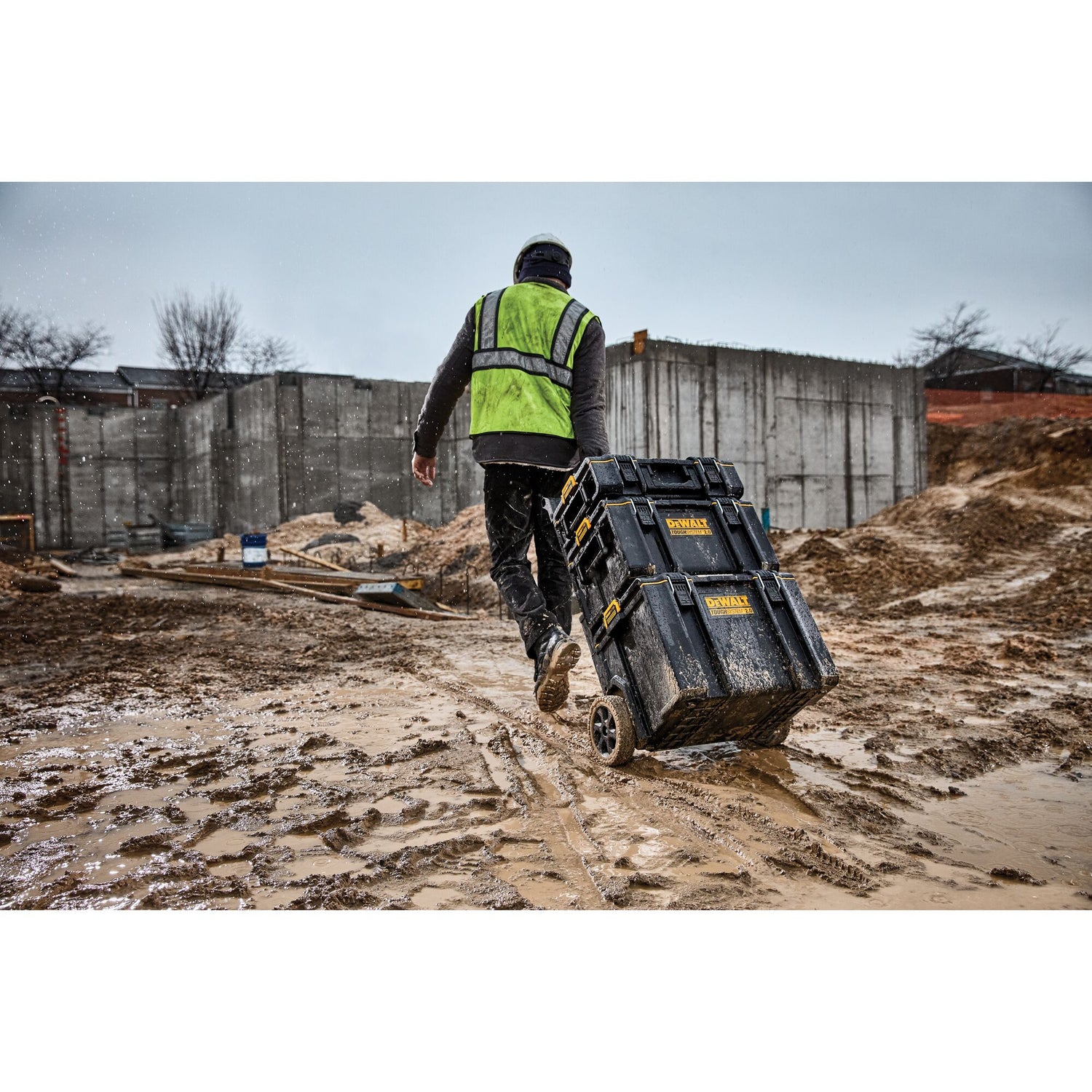


How to make your professional tools last longer
A practical guide to preserving performance, runtime and reliability over time: cleaning, maintenance, batteries, transport and good operating habits.
How to make your professional tools last longer
A practical guide to preserving performance, runtime and reliability over time: cleaning, maintenance, batteries, transport and good operating habits.
The rules that really make a difference
Simple habits that help preserve power-tool performance, runtime and reliability over time.
Clean after use
Remove dust, debris and dirt from critical areas to keep the tool efficient for longer.
Use the right accessory
The right bits, blades and discs reduce strain and wear while improving precision and safety.
Protect batteries
Avoid extreme heat and cold, deep discharge and long periods of inactivity to preserve runtime and service life.
Routine cleaning and maintenance
Proper storage and periodic checks also help keep tools and accessories reliable over time.
Store properly
Store tools and accessories in a dry, clean and organised place to protect them from impacts, dust and moisture.
Check regularly
Cables, chucks, bits, filters and fasteners should be checked regularly for safe, trouble-free work.

at their best
Routine cleaning and maintenance
Proper maintenance keeps performance high and helps prevent failures.
After every use
Remove dust and debris with low-pressure compressed air or a dry cloth. Do not use direct water on motors or electrical parts.
Every week / intensive use
Check air vents, chuck, accessory interface and screws. Remove debris that could affect cooling.
Every month
Carry out a more complete inspection: check wear on brushes and accessories, verify fasteners and consider a service check-up.
Batteries: what to do and what to avoid
Batteries are the heart of your tools: treat them properly.
Do
- Charge with suitable chargers
- Store at moderate temperatures, ideally between 10°C and 25°C
- Rotate batteries during intensive use
- Recharge before long periods of inactivity
Avoid
- Leaving the battery completely discharged for weeks
- Exposing it to direct sun, frost or extreme temperatures
- Using damaged or overheated batteries
- Leaving the charger plugged in unnecessarily when not needed
Accessories and materials: the most underestimated mistake
Using the right accessory for each material reduces strain on the tool, improves results and helps you work more precisely and safely.

Bits and drilling
Use bits designed specifically for wood, metal and masonry. The right bit improves precision and working speed while reducing strain on the tool.

Blades and cutting
Choose the blade based on the material and type of cut. The right blade cuts better, runs cooler and maintains performance longer.

Discs and grinding
Use discs designed for metal, stainless steel, stone or other materials. The wrong disc increases wear, reduces effectiveness and can compromise the final result.
Accessories and materials: the most underestimated mistake
Using the right accessory for each material reduces strain on the tool, improves results and helps you work more precisely and safely.
Bits and drilling
Use bits designed specifically for wood, metal and masonry. The right bit improves precision and working speed while reducing strain on the tool.
Blades and cutting
Choose the blade based on the material and type of cut. The right blade cuts better, runs cooler and maintains performance longer.
Discs and grinding
Use discs designed for metal, stainless steel, stone or other materials. The wrong disc increases wear, reduces effectiveness and can compromise the final result.
Warning signs you shouldn’t ignore
If you notice any of these signs, it’s time for a check to prevent wear, performance loss or more serious damage.
Power loss
If the tool struggles to maintain performance, check the battery, accessories and overall motor condition.
Abnormal overheating
If it gets too hot, there may be a ventilation issue, an operating problem or a component under stress.
Unusual vibrations or noises
Unusual vibrations and noises can indicate internal wear, loose fasteners or unsuitable accessories.
Reduced precision
If the chuck or accessory no longer works properly, check tightening, wear and correct fit.
Quick checklist of good habits
Print it or save it: it will help you keep your tools in top condition for longer.
Quick checklist of good habits
Print it or save it: it will help you keep your tools in top condition for longer.
Need help choosing the right tool?
Explore our power tool categories or contact our team. We’re here to help you find the solution that best suits your projects.
Need help choosing the right tool?
Explore our power tool categories or contact our team. We’re here to help you find the solution that best suits your projects.
